 EN
EN
Style Categorization Based on Fashion and Occasion
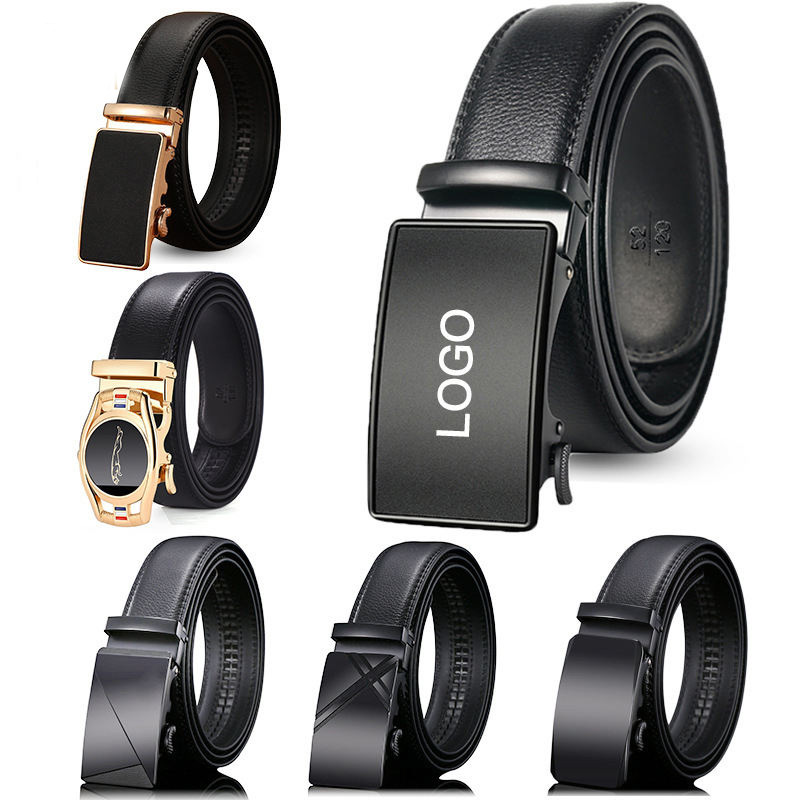
Belts are much more than a functional accessory to hold up pants, they are a key element that defines personal style and fits different occasions. Men’s belts are usually split into two categories - business casual and streetwear. Business casual belts have simple pin or auto buckles and genuine leather materials in classic black or brown, to match with suits and dress pants for a complete business look. Streetwear belts, on the other hand, are usually thick and made with canvas or PU materials, and feature some custom letters or logo buckles, which are great for paired with jeans and hoodies, displaying street culture. Women’s belts are generally more on the decorative side, with some slim leather styles for dresses and blazers to accentuate the waistline, while some metal chain or fabric belts can add some spice to more casual outfits. It’s always been noticeable while working with global streetwear brands for the last 15 years that most popular belts styles always managed to balance both functionality and style for daily wear and seasonal trend pieces.
Choosing Materials and Craftsmanship Standards
A belt's quality relies on both its materials and craftsmanship, and different materials can create different textures, durability, and other wear characteristics. For both men and women, top-grain cowhide genuine leather is the premium choice because of its softness, wear resistance, and natural luster which is appropriate for high-end business and formal attire. For street style, canvas belts are light and breathable which makes them easy to wear, and also they come in plenty of different prints which look good paired with casual outfits. PU leather is a good substitute for genuine leather (at a lower price point, so good for fast fashion brands and for everyday use). For women specifically, metal chain belts can be a fun touch to an outfit, but they can also be an annoyance because the chain can rust so the chains need to be polished often. To create belts, a variety of different materials must be used, and craftsmanship must meet a variety of different standards (such as precise hole punching, secure welding on belt buckles, and neat stitching) which are part of the ISO9001 quality management framework. BSCI certification also means that the raw materials used are eco-friendly and the production of the belts is completed in a social compliant way, which is a necessity for belts to be sold in international markets.
Easy Ways to Match Belts to Outfits
Selecting a belt requires you to consider the occasion, the belt, and your body type. For example, consider the need for a belt to go with a pair of jeans for casual everyday wear. Here, unisex canvas belts or simple polyurethane belt offerings are available in an adjustable length, and are offered in black, white, and gray to provide color options for everyday wear. Men at work should select leather belts in widths of 3.5 to 4.0cm to match shoe color for a unified appearance. In street style women's, a non-wide belt with a chain design is a necessity for the crossing of casual belts. In simple and formal occasions, an automatic belt for men in leather and a belt with a modest buckle for women suffices.
The Impact of Customization and Personalization on Value
The significance and value of customization and personalization are illustrated by adjustable belts. Custom belts serve the branding needs of a company or the personal needs of a customer. From a branding standpoint, customizations can include belt logo printing and or belt buckle color matching. Many top global streetwear brands have, over the years, rolled out custom belts as part of their collections, which serve to promote the brands even further when belt owners wear them. For a customer, personalization can include a choice of belt buckle initials and design. Within global markets, customization and personalization have become an integral part of the value proposition of their global accessory markets.
Quality Control and Adaptation in Cultural Areas Globally
When it comes to production quality belts must meet some of the highest quality control standards, and to help with this, the belts must adhere to an array of international certifications in higher quality production standards to be sold in international markets. However, each belt production facility must also hold the certification as ISO14001, to show that they consider the environment in their production of belts, including the materials they use to create the belts and what they do with any waste they produce from the belt production. Moreover, each belt production facility must also have ISO45001 certifications to prove that the facility has a safe and appropriate environment to ensure the safety of all workers in the production of belts. For the production of belts in a specific country, the design of the belt must consider the varying cultural and aesthetically pleasing design of each country. For example, American and European countries appreciate wide belts, and prefer belts that have a strong street culture and design. However, in other eastern and Asian countries, a slim and more subtle belt preference is more appreciated. In the Middle Eastern and Southeast Asian countries, the preference is more popular towards metal buckle belts as they are seen as more appealing with finer detail patterns around the buckles. In more than 65 different countries, the key to creating a high demand for a specific belt is to create a high quality belt that meets the quality control standards of the country as well as meet and adapt the country's cultural and aesthetic standards.