
 EN
EN
How High Do Your Heels Go?
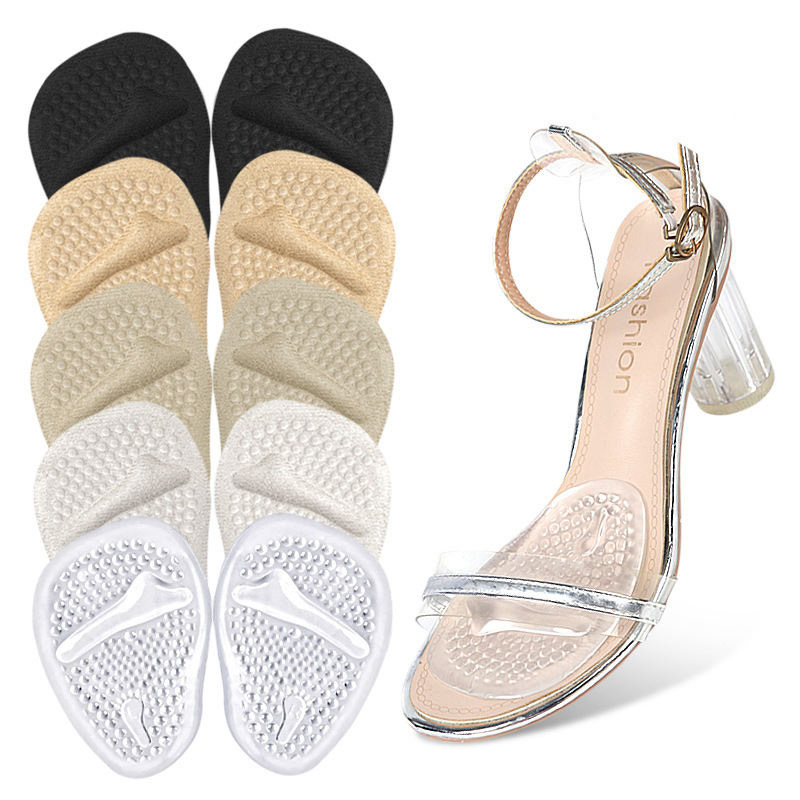
Heel height directly defines what type of insert you should get. Soft memory foam, for example, works wonderfully for low heel heights of 5cm. Soft memory foam is good for low heels under 5cm, as it offers soft cushioning while still keeping the shoe from being overfilled. Silicone is recommended for mid-range heels, or 5-8 cm, as its non-slip and shock-absorbing characteristics aid in the even distribution of pressure to the front of the foot, where most everyday shoe wearers complain of foot pain. For heels over 8cm, stiletto heels, Medical grade TPU is non-negotiable. Of all the tested materials on the market, TPU offers the only biomechanical energy return of 68%. It’s superior to EVA cushioning and lessens the strain on the plantar fasciitis from the vert steep heel angle. All the recommended pad materials are ISO14001 and ISO9001 certified.
Biomechanical Support Design
Inserts derived from biomechanical design principles as opposed to simply being soft and cushy are a novel finding from custom-made foot support devices. The American Podiatric Medical Association states that the ideal knee flexion angle for high heels is 13°, and qualified foot inserts are supposed to be positioned at this angle to aid in the appropriate alignment of the lower limb line of force. Annual inserts incorporate an arch gradient support structured at an adjustable height to lift arches at 20-24mm for flat feet and 15-18mm for high arches, a mechanism that stops excessive foot pronation or supination and associated ankle pain. The design of the heel cup is also critical, and the heel cup with a rounded edge where the heel is encircled by 3/4 side becomes a cup also. The design details are a result of finite element analysis of the heel to ball foot pressure that allows peak pressure to be decreased at any one location by 70%, and also allows the average pressure to be dispersed.
Focus on Certified Products
For those who purchase heel inserts due to brand collaborations or bulk purchasing, certifications are the best method for evaluating products. For example, BSCI certifications are required for entry into the European and American markets, as they ensure that a manufacturing facility adheres to sufficient social and labor standards. This eliminates the risk of purchasing products made in substandard, non-regulated facilities. Additionally, ISO45001 certifications state that no materials that may cause skin irritation or sharp components are included in the design, and that the inserts are made considering occupational health and safety. Inserts that are certified are better suited for personal use and brand use because they have undergone testing for a minimum of 10,000 wear cycles, are resistant to sweat, and have passed safety standards for the wear and use of the consumer. Due to the high demand for certified inserts in global commerce, they have a 95% customer retention rate.
Opting for Customization for Special Foot Shapes
Standard heel inserts. Custom inserts are designed with people with specific foot shapes (like bunions or other foot shapes). 3D foot scanning collects 3000+ data points per second of the foot's pressure distribution. A designer can customize the hardness of the foot insert, as well as the arch height, and width of the foot insert based off the scan. For example, a designer can add 5mm of padding on the bunion side, or widen the fore foot cushion by 8 to 10 mm for wider feet. The global supply chain has a proven standard of 14 days for the delivery of the customization. The inserts are made for the specific high heel that the customer has chosen. They are made to measure for the foot shape and the high heel style, to ensure the foot insert does not interfere with the heel's design.
Comaptibility Test Before Purchase
No matter how good the design of the heel inserts, they will always be useless if they don't fit the high heel. That is why the practical test is the first step. The first step is to test the WIDTH of the insert— for narrow-fit stilettos, the insert should be 3 mm and under at the forefoot to avoid bulging, while the block heel can fit inserts up to 8 mm for added cushioning. The second step is to carry out what is called the stair test: put on the high heels and the inserts and walk up and down the stairs 5 times. If your toes hit the shoe toe or if your heel is coming out of the shoe, then the insert is too small, and not the right shape. Lastly, not enough inserts have a good self-adhesive insert, but if yours does, you should find that the insert has good adhesion for the full 8+ hours of wear. If not, that is good, but the self-adhesive should leave no residue on the shoe insole once the insert is removed. All these tests and years of customer feedback ensure that you will have a comfortable day.
Think about the Practicality and Long-Term Durability of Inserts
When buying heel inserts, long term durability is usually overlooked and it is an important factor especially for repeat high heel wearers and brand purchasers. After consistent daily wear of 6+ months, high quality inserts still keep their shape and still have cushioning while low quality ones will flatten and lose cushioning after a couple of weeks. For inserts, it is ideal to use one with a honeycomb shock absorbing system that will be located at the forefoot. This will not get compressed and will assist with air flow while also preventing sweat and odor build up with high heels that have closed toes. For bulk buyers, practicality and durability also means value, which makes it essential to look at the reliability of the supply chain, especially for repeat orders. For reliable suppliers, you can expect consistent quality of the same product across different batches. This is essential for brand consistency. Durable, practical inserts enhance the comfort of the footwear and increase the value of the brand by positively impacting customer satisfaction and loyalty.