 EN
EN
Material Matching Basic Principles
Insoles are the primary buffer between the foot and the shoe. The right selection of materials is the foundation of suitability, proven by servicing more than 20,000+ cooperative customers in the streetwear accessory market over 15 years. ISO 17704 specifies the insoles’ abrasion resistance test standards, and in combination with the industry recognized material properties, different materials satisfy the different shoe type needs. High elasticity and abrasion resistance TPU material is the best choice for high-performance shoes, while rubber material with excellent anti-skid acts is suitable for shoes that require strong grip. EVA material is lightweight with good shock absorption and is used in casual shoes, and pure cotton and bamboo fiber materials with sweat absorption and breathability are the best match for everyday lightweight shoes. All materials must meet the basic requirements of being environmentally friendly and safe, which is in line with the BSCI and ISO system certification standards that the fashion accessory production is made.
Choosing Insoles for Athletic Shoes
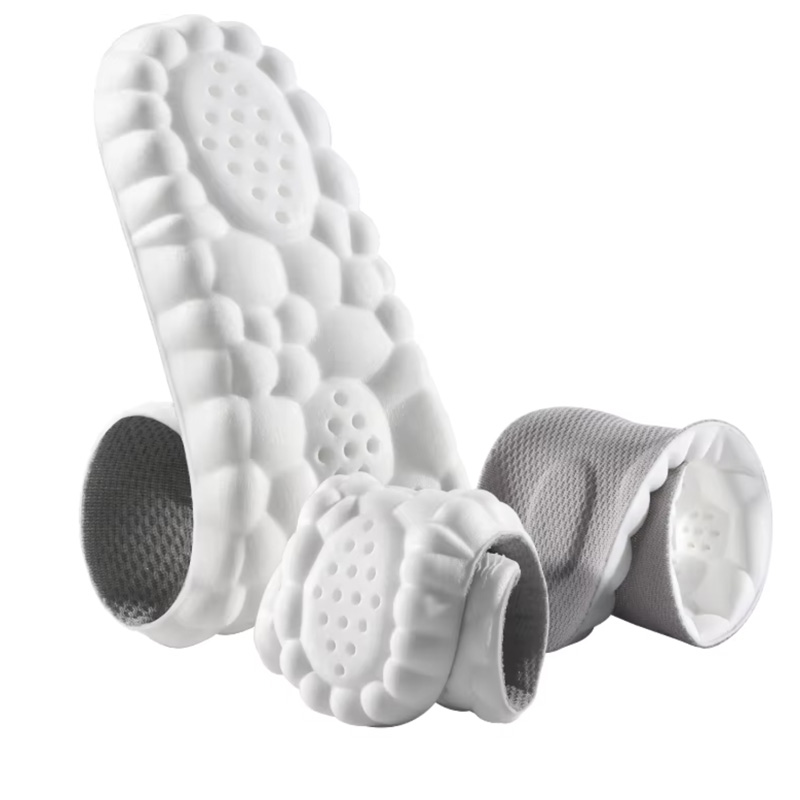
The design considerations of athletic shoes involve dynamic movements like running and jumping. Therefore, the selection of any athletic shoe insole focuses on shock absorption and support of the foot's arch. It has been established through biomechanical studies that improper/inappropriate insoles for athletic shoes can increase the pressure on the knee joints by over 30%. In the most severe cases, plantar fasciitis can result. An example of a running shoe insole that is effective utilizes a support structure that is arch gradient and clear forefoot shock absorption in the honeycomb matrix. This example of an athletic shoe insole is effective in dispersing ground impact force. Basketball and football shoes are examples of athletic shoes where the combination of TPU (thermoplastic polyurethane) and anti-skid grain design assist in improving the foot stability of the athlete during performance. In the actual experience of the customer, insoles that absorb over 60% of the impact shock are associated with a more positive experience, and more importantly, a lower risk of athletic injuries based on the above studies.
Choosing Insoles for Casual Shoes
Casual shoes are primarily intended for daily commuting and light activities, so the primary requirements for insoles are comfort, breathability, and sweat absorption. For insoles for canvas and leather casual shoes, as the uppers are usually more closed, double-layer insoles are recommended, with the top layer of sweat-absorbing fabric and the bottom layer incorporating a breathable mesh fabric designed to create a moisture wicking effect to eliminate hot, damp conditions and odors. For lightweight casual shoes, such as loafers, slow rebound memory foam insoles are recommended, as they conform to the foot profile and relieve the pressure created by long periods of standing and walking. From the feedback of clients in over 65 countries and regions, casual shoes with insoles that are breathable and moisture wicking systems have a customer satisfaction rate of over 85%.
Choosing an Insole for Outdoor or Functional Shoes
When using outdoor and functional shoes, there are many different and potentially rough terrains, such as mountains or roads, that require specific features for an insole, including wear resistance, anti-slip, and structural stability. For outdoor use rubber composite insoles, which are high density, are suitable as they can resist the damage of coarse surfaces. Uneven roads can also slide the foot inside the shoe, and so an insole should also feature a raised anti-slip border. If the outdoor shoe is a high-top style that supports the ankle, the insole for the shoe should also accommodate the height and width of the shoe, and should also incorporate an energy return mechanism into the heel region, which can reduce the fatigue that can result from long-distance walking. All outdoor shoe insoles are required to meet strict ISO test for wear resistance, and to ensure the safety of the user in the complex environments.
Commercial Value of Personalized Insoles
Personalized insoles later the value of a shoe product and have been an area of consensus after years of collaborations with many streetwear brands. Professional personalized insole services can be integrated with a brand's shoe style and design, and positional adjustments can be made based on the foot and usage characteristics of the target customer group. For instance, street fashion shoes can have functional branded insole designs, and in professional functional shoes, insoles can be tailored to specific foot types like flat feet or high arch feet. Quick customization and fast delivery help brands address market needs on time. Further, insoles manufactured to international standards can enhance a brand's value in the global market, making the insole industry a winner in the global customer market.
How to Purchase and Fit Insoles
Insoles need to match the shoe type and material they will go into. This will help the shoe optimize the purpose of the installation of the insole. Each insole should be a little smaller than the insole of the shoe. This will help them avoid issues such as wrinkling which can cause a negative experience in the shoe. For the people who have unique types of feet, we suggest insoles be fitted professionally and then custom insoles can be done which will make these people eliminate the problems caused to feet or discomfort caused by other insoles. When purchasing insoles, they should be considered for their durability in relation to how often they will be used. Shoes that will be worn every day should have their insoles such that they have a good resistance to wear and are easy to clean. If the shoes will be worn in the winter/ cold months, they should have plush or furry insoles to match the shoes. Following the rule of " match type of shoe, situation and prioritize feet" can maximize the purpose of the insoles and enhance the experience of wearing shoes.