 EN
EN
Quick Links
Eye masks may seem like an extra step in a beauty routine, but they serve an important purpose for the skin around your eyes. The skin around the eyes is thinner, more sensitive, and more prone to irritation. It's also more likely to develop fine lines and dryness. Determining your skin type and what an eye mask can help you with is essential for picking an eye mask that works. Here is a more comprehensive guide for you.
Before you get eye masks, spend some time working out what your skin type is and what your skin needs. Oily skin is shiny around the T zone and may have clogged pores. Dry skin, on the other hand, is tight, especially after cleansing, and may have flakes around the eyes. In addition to these things, Combination skin can have dry and oily areas, while sensitive skin easily reacts to perfumes and other harsh chemicals. Normal skin is balanced and does not have major problems. You can now focus on eye masks that will help your specific needs.
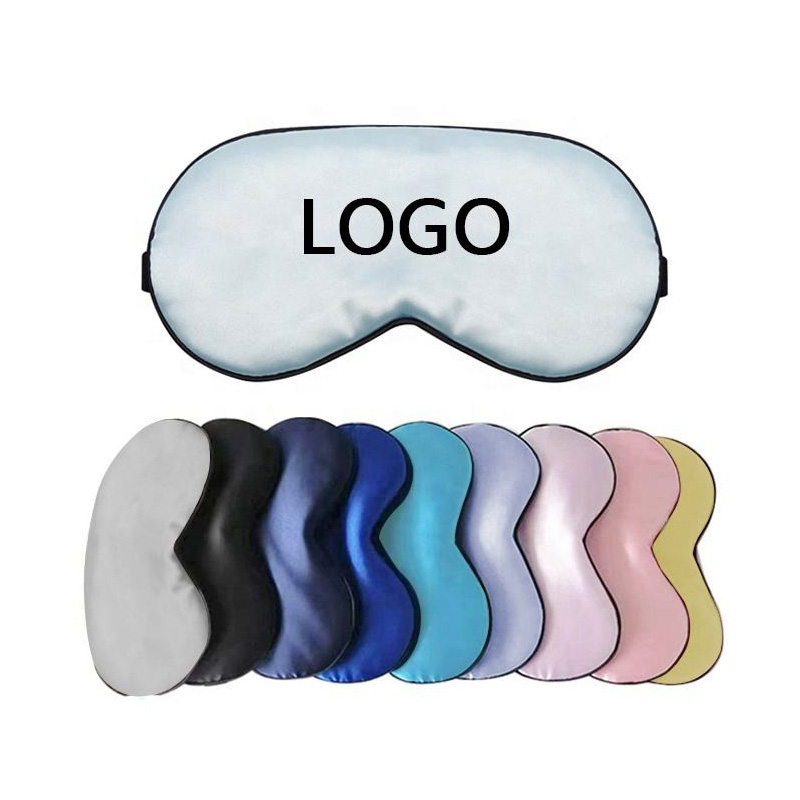
Components of eye masks make masks functional. For oily skin, use lightweight, oil-free products with salicylic acid, which helps unclog pores, or niacinamide, which helps with oil control. Skin that is dry benefits from hydrating and soothing dry skin with hyaluronic acid, shea butter, and ceramides. For sensitive skin, choose gentle, fragrance-free products with soothing aloe vera, chamomile, or green tea extracts. For combination skin, hyaluronic acid helps with hydration, and leaves skin oil free, while vitamin C helps with skin brightening.
Different materials and fabric types can make eye masks more or less effective for ingredient delivery. People with dry or normal skin can appreciate and benefit from sheet masks as they capture and retain moisture. Gel masks are great for oily or sensitive skin as they are lightweight and cooling, and do not feel heavy or greasy. For dry skin, cream-based masks are thicker, more nourishing, and hydrating. Hydrogel masks are versatile and suited for combination skin as they provide some hydrating and absorbing with the moisture. Consider the mask material and mask types based on how comfortable they are on your skin and your day-to-day activities.
Masks can irritate the sensitive skin under the eyes if they have certain ingredients. Natural and artificial fragrances and scent components are notorious for causing skin issues. Alcohol can dry and irritate the skin, and parabens and sulfates can provide deep, long-lasting damage when used. Keeping the ingredient deck clean and with fewer components can help a great deal. This certainly helps with sensitive skin, but all skin types will feel the improvement of a more balanced and healthy skin.
Besides your skin type, you must consider your skin issues. For those suffering from dark circles, the best choice are eye masks with brightening properties such as vitamin C, kojic acid, or caffeine to lighten the pores’ discoloration. For those fine lines or wrinkles, opt for masks with retinol or collagen-boosting peptides. For puffy eyes, cooling ingredients like cucumber extract or witch hazel are best to ease the swelling. By addressing your skin issues as well as your skin type, you’ll be able to select an eye mask with a broad focus.
Even if an eye mask seems perfect on paper, it is still important to test it first before you add it to your regular routine. Put a small amount of the product on the inner corner of your eye or behind your ear and wait for 24 to 48 hours. It’s best to avoid the product if you see redness, itching, or any irritation. This simple test is a great way to avoid skin reactions and irritation. What works for someone else, might not be best for you skin so always use personal testing.
YOUKI subtly streetwear pricing and design styles with 15 years experience. For skin that is sensitive or compromised, opt for eye masks made of a gentle, hypoallergenic silicone that is fragrance free; skin that is sensitive or compromised requires silicone masks that are oil free and are breathable; for skin that is dry and compromised, choose eye masks made with hydefab; skin that is oily and/or acne prone requires silicone masks that are oil free and are breathable; For Youki's custom design offer for streetwear products, mask selection must reflect design and product selection must reflect quality. Youki supports the idea that when it comes to essentials for skin care or to items for fashion pieces to street culture, tailored options matter most—along with 20,000+ global clients and quick delivery.
 Hot News
2025-08-28
2025-08-26
2025-08-25
Since 2010, YOUKI (15+ years in hats/accessories) is a go-to streetwear partner: all-in-one design, production, sales, prioritizing quality, service, teamwork & on-time delivery.