 EN
EN
Quick Links
The type of shoelace material will influence whether it stays tied. High-quality synthetic shoelaces made from polyester and nylon are some of the best options. These materials will help the shoelace knot hold without slipping off. Although natural fabrics like cotton are softer and more comfortable, they loosen and untie more quickly, especially when damp. Durable shoelaces made from synthetic fibers would be the best option for daily use or sports.
The thickness of shoelaces also matters. Laces that are too thin will not provide enough friction while laces that are too thick will be difficult to tie and will be bulky to fit through the shoe eyelets. It’s best to pick a middle range thickness suitable for the type of your shoe.
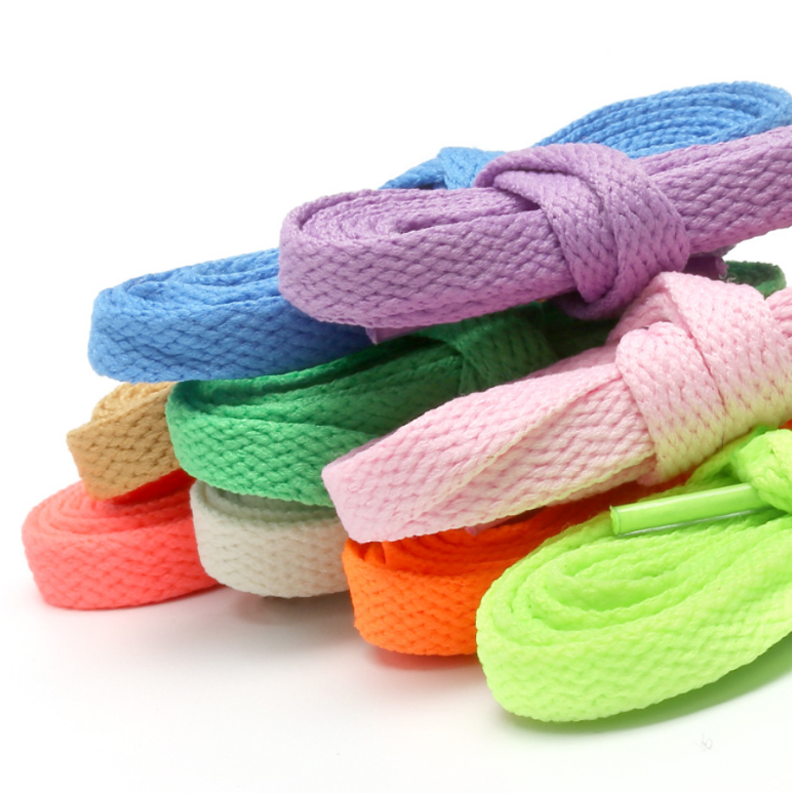
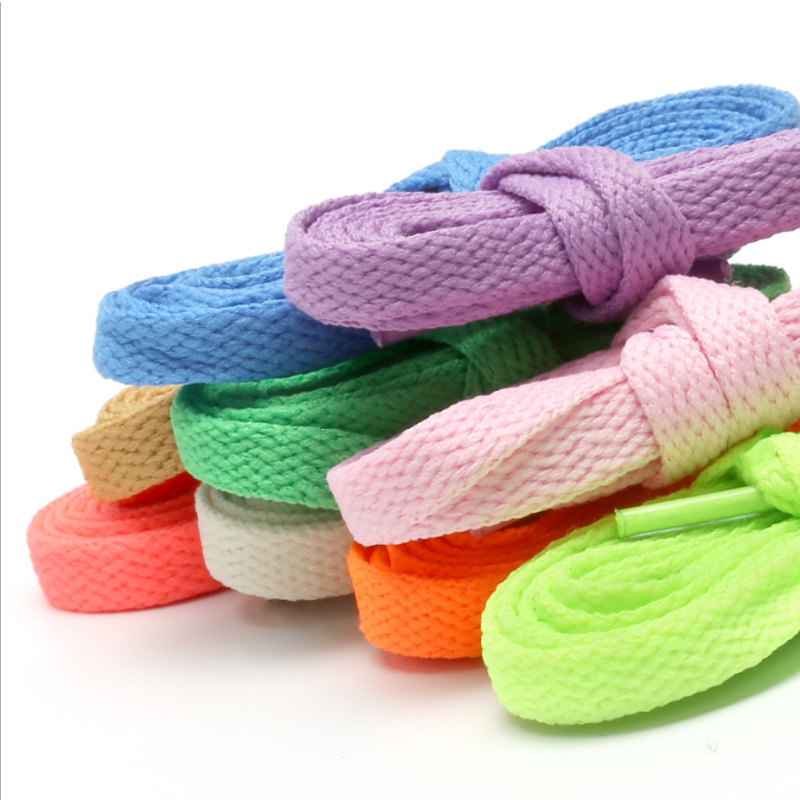
The way shoelaces are woven will determine how well they can anti-loosen. Tightly woven laces provide a dense structure to create friction between woven threads, which helps keep your knot taut. When tied, flat woven laces will reduce the chance of slipping because they evenly distribute pressure as opposed to round laces. Round laces are a lot more flexible which is more suitable for some shoe styles.
Check for a lace weave for loose threads and uneven weaves. Durable lace maintain shape and secure knots for the whole day.
Shoes and activities require different types of laces. For sports shoes like running and basketball, elastic and wear-resistant shoelaces are the most practical, robust, and safe options as they withstand the frequent tension and movement of the shoes.
Sleek, flat laces are best for formal shoes as they pair well and maintain a polished look by holding a neat knot. Casual shoes are more flexible as any laces can be used but it is best to keep laces comfortable and anti loosening.
Think of the environment before picking laces. For walkes in cooler, wet climates, choose laces that are water-resistant. The knot will remain secure in damp conditions and moisture will not alter shoe laces friction.
The best shoelaces will but will come undone if the knot is not tied correctly. The standard and most simple knot for all situations is the reef style knot. Ensure that both loops are equal in size and the knot is tight, but not overly tight to cause restriction.Prevent loose knots by ensuring each step is executed firmly. After adjusting, see if the knot lies flat against the shoe. As a knot sits loose or is unbalanced, it is free to slip during movement.
If a knot keeps coming undone, one may try a double knot for enhanced security. Adding a double knot increases the reinforcement on the tie, making it stay fast even for more vigorous activities.
Quality of shoelaces is important in relation to stretching, fraying, and loosening. If shoelaces are less durable, they would lose the ability to keep the shoelaces from loosening over time. Look for laces in which the shoelace ends are sealed. This aids in avoiding fraying and makes lacing a shoe faster to get through eyelets.
Quality shoelaces are elastic and hold their shape after a stretch cycle, even through many washes. Poor shoelaces will stretch, which will cause the lace to lengthen, easing the knot even more. Quality shoelaces will be available from certain suppliers, which will enhance your confidence in the supplier. Quality shoelaces will function better and last longer in terms of loosening prevention.
 Hot News
2025-08-28
2025-08-26
2025-08-25
Since 2010, YOUKI (15+ years in hats/accessories) is a go-to streetwear partner: all-in-one design, production, sales, prioritizing quality, service, teamwork & on-time delivery.