 EN
EN
Quick Links
Selecting gloves that keep your hands warm and allow for movement may seem like a conundrum, but they don’t have to be. It’s important to understand that hands are more susceptible to cold temperatures, and frostbite is a real risk in lower degrees. Warmth is a protective measure. But, gloves also should allow hands and fingers enough movement to complete tasks like using a touchscreen, typing a document, or grasping small instruments. The main thing is to figure out the most relevant scenarios that you will be using gloves. For gloves worn during a commute, enough warmth to be cozy during the trip to work and enough dexterity to be able to check messages would be ideal. For hiking, warmth is also important but you should be able to hold poles.
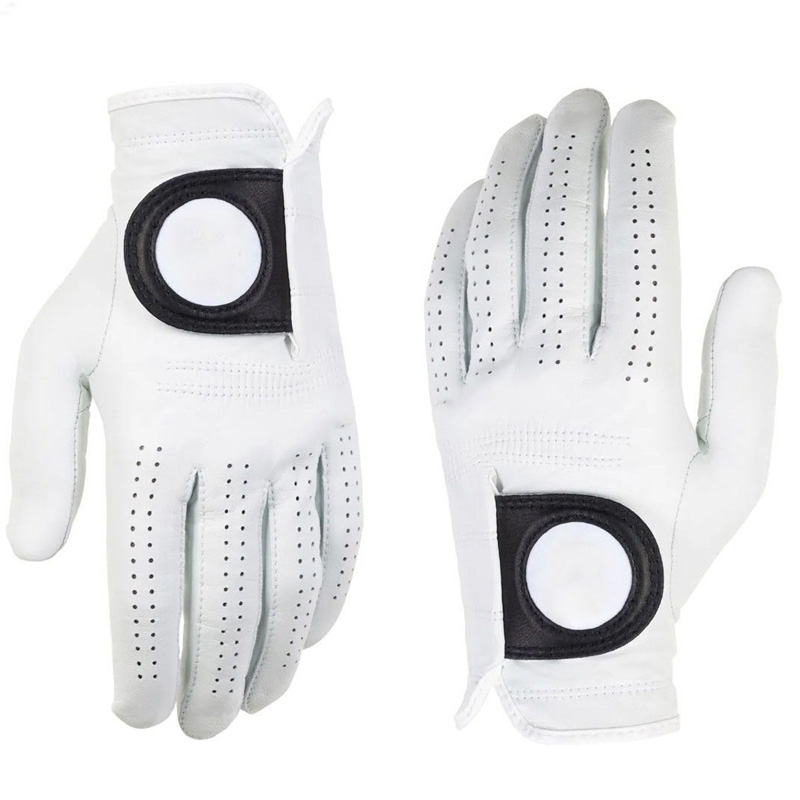
Understanding what insulation is in gloves is essential to to achieve maximum warmth without sacrificing dexterity. For insulation, down is perfect because it is lightweight, captures heat efficiently, and is warm. However, it can lose insulation when it gets wet. In humid and snowy weather conditions, polyester or synthetic insulation is ideal because it retains warmth when wet and dries quickly. For users needing warmth combined with flexibility, thin fleece linings provide insulation without the bulk so users can retain finger dexterity. When dexterity is a priority, avoid insulation that is overly thick as it can hinder simple movements, such as buttoning a coat.
When choosing gloves, performing a fit and design analysis is fundamental in finding the right balance between warmth and dexterity. The balance is achieved through finding gloves that have a snug fit, but that are not too tight. Gloves that are too loose provide little warmth, and too tight gloves restrict movement of the fingers. Gloves that feature design elements such as precurved fingers are useful too; they approximate the natural shape of your hands, and therefore do not require your fingers to force into a straight shape. This makes gripping and touching surfaces a breeze. Pay attention to the palm area too. Textured gloves (rubber or other silicone patterns) minimize bulk while optimizing grip. This decreases the chances of clumsiness in tasks such as carrying a cup while using a touchscreen.
Touchscreen compatibility is a necessity for many users of gloves in our digital world, and this relates to dexterity as well. You wouldn’t want to take off your gloves just to use your phone as this defeats the purpose of warmth. Gloves made with conductive materials on glove fingertips usually have silver or copper threading. These conductive materials allow you to tap, swipe, and type on your screen without filling the air with cold. Ensure the conductive part covers the entire tip of the fingers, not just a small area. This ensures versatility of finger use while keeping dexterity high as you interact with your screen.
Now that you’ve narrowed down your choices, it’s time to test gloves in different real-world situations. Imagine the different tasks you need to use the gloves for, put them on, and go for it. For instance, if your gloves are for work, test them while you type on a keyboard or use a mouse. If you plan to be out in the weather, try carrying a water bottle and generating a moving your sleeves a bit to determine if you can zip a jacket. Most importantly, pay attention to your fingers. Do they feel stiff, or can you move them all the way? Do a hand test after a closed time duration, and check if your hands are cold. If the gloves are too bulky and you get cold quickly, make a different choice. Don’t be afraid to experiment with styles and materials to get to the perfect fit.
Selecting gloves that successfully combine both warmth and dexterity comes down to the materials used and the design, or, as we like to say, the "art" of designing gloves. Art is something that, for 15 years, YOUKI has mastered as one of the top streetwear accessory makers. With a client base of over 20,000 across more than 65 countries, we provide the best OEM/ODM services. For optimum warmth, pair insulating materials like thermal knit or fleece with mild and flexible stretch strike panels to avoid limited finger movement. As with our custom design creation and 24-hour customer service and fast deliveries, we strive to make all gloves blended with style and practicality. Our gloves are made to withstand daily use as a result of our strict quality control, matching the standards we set for all our street culture products.
 Hot News
2025-08-28
2025-08-26
2025-08-25
Since 2010, YOUKI (15+ years in hats/accessories) is a go-to streetwear partner: all-in-one design, production, sales, prioritizing quality, service, teamwork & on-time delivery.