 EN
EN
Quick Links
To begin the process for selecting a sun mask that will irritate your face the least, your first consideration should be the fabric. Natural fibers such as 100% cotton are the safest for almost any skin type, as they are soft and breathable, and are less likely to cause perspiration build-up that may result in a rash, itching, or redness. People with sensitive skin should especially avoid synthetic blends that have a high content of polyester or nylon which will ultimately suffocate the skin as well as irritate the surface because of their rough finish.
Bamboo rayon is another great option. It is naturally hypoallergenic, moisture-wicking, and soft to the touch. Masks with small embellishments and rough designs should be avoided at all costs embellishments such as sequins, coarse embroidery, and rough or sharp elastic trims, as well as rough surface materials. These small irritating details can be and are common irritants, even if the fabric is soft.
Some sun masks feature added chemicals to enhance sun protection and water resistance. Stay away from those. "Fragrance-free" masks are the best starting point because added scents are one of the worst irritants to skin. Even "unscented" masks might contain masking fragrances. Check the ingredients to be certain.
Avoid masks protected with formaldehyde releasers, parabens, and heavy sunscreens like oxybenzone to instead choose masks designed with sun protection zinc oxide. That will stay on top of the skin instead of being absorbed. If the mask is unclear about how it protects from the sun, perform a small patch test on your inner arm before masking your face to catch any reactions early.
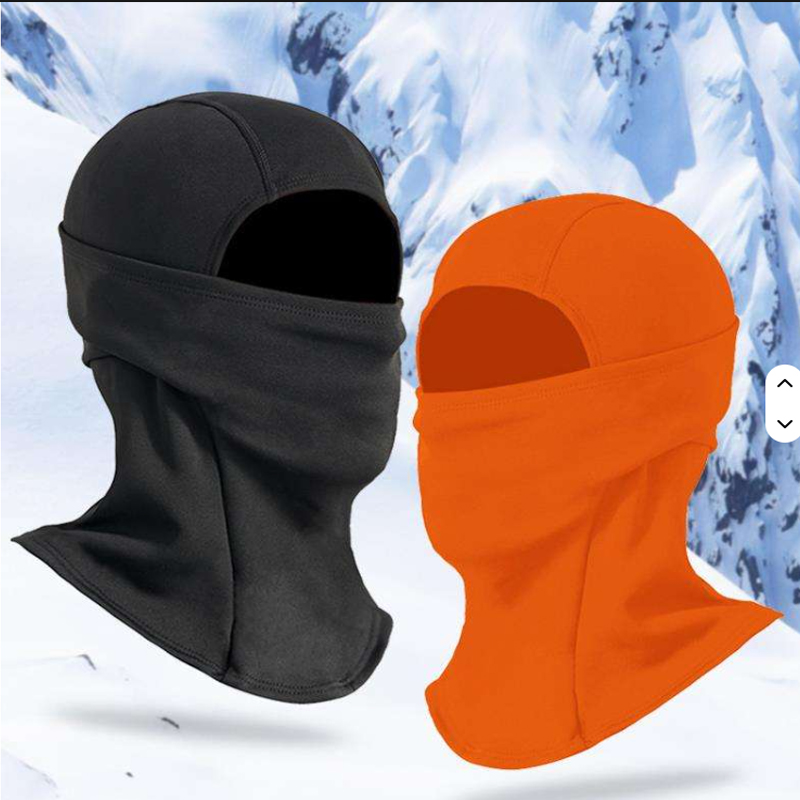
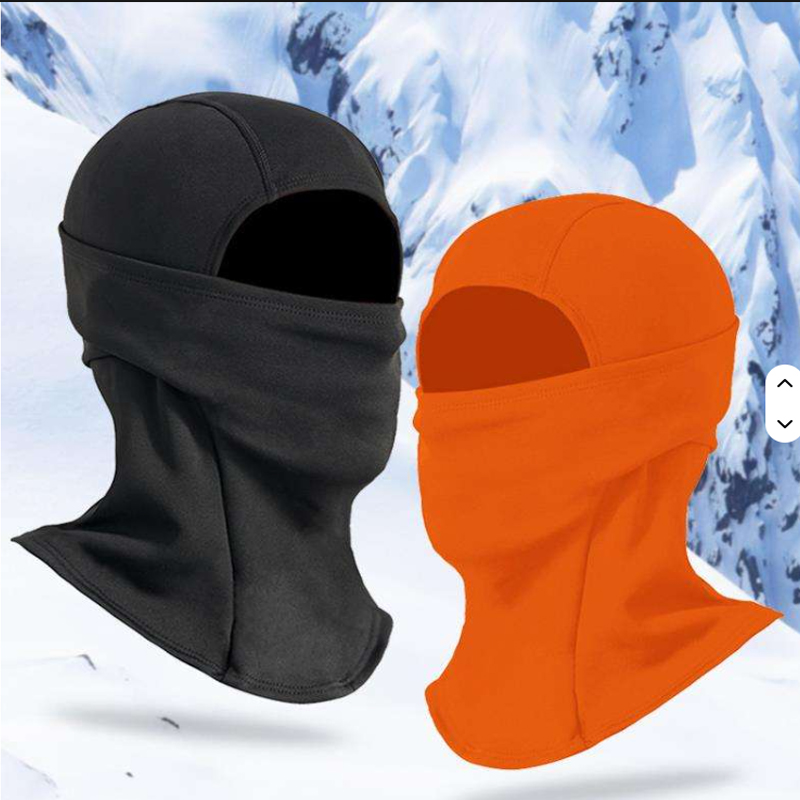
Sun masks that don’t fit well and masks made from bad materials are equally irritating. They should fit snug, not tightly. If it is too tight, it will dig into your cheek, and nose, or cause chafing on your jawline. Look for adjustable ear loops masks, or a toggle at the back. Customize your fit without adjusting over-tightening. Masks that have rough edges or thick seams bordering the face are a bad fit. Look for flatlock seams, they coutout the irritating seams and are ideal. Masks that only go from nose to chin are comfortable.
A sun mask that is free from irritating fabrics, chemicals, and fits well still should be tested on the skin for long periods. Position the mask over the face you plan to cover. Leave for 15-20 min, then check for irritation, burning, or any other discomfort. If no irritation is found you can use it normally.
If your skin is really sensitive or you have eczema, you can leave the mask on for a few hours while at home. I know this doesn’t seem like a big deal, but it can save you irritation when you engage in outdoor, sweaty activities.
The way your mask is washed and cared for directly impacts the gentleness the mask can maintain against the skin on your face. Remember to wash new masks before wearing them, as some still have dyes or chemicals that can make skin breakout, leftover from the manufacturing process. Remember to wash your mask with a mild, fragrance-free detergent, as well as not using a fabric softener, since they leave a coating on the mask that will clog your pores and irritate your skin.
Always, air-dry your mask. High heat will become trapped in the mask and activate any remaining chemicals in the fabric, and will also roughen the mask up by breaking down the soft fibers. If you wash the mask often, make sure to get one made with soft, durable fibers that can withstand the punishment.
 Hot News
2025-08-28
2025-08-26
2025-08-25
Since 2010, YOUKI (15+ years in hats/accessories) is a go-to streetwear partner: all-in-one design, production, sales, prioritizing quality, service, teamwork & on-time delivery.