 EN
EN
Quick Links
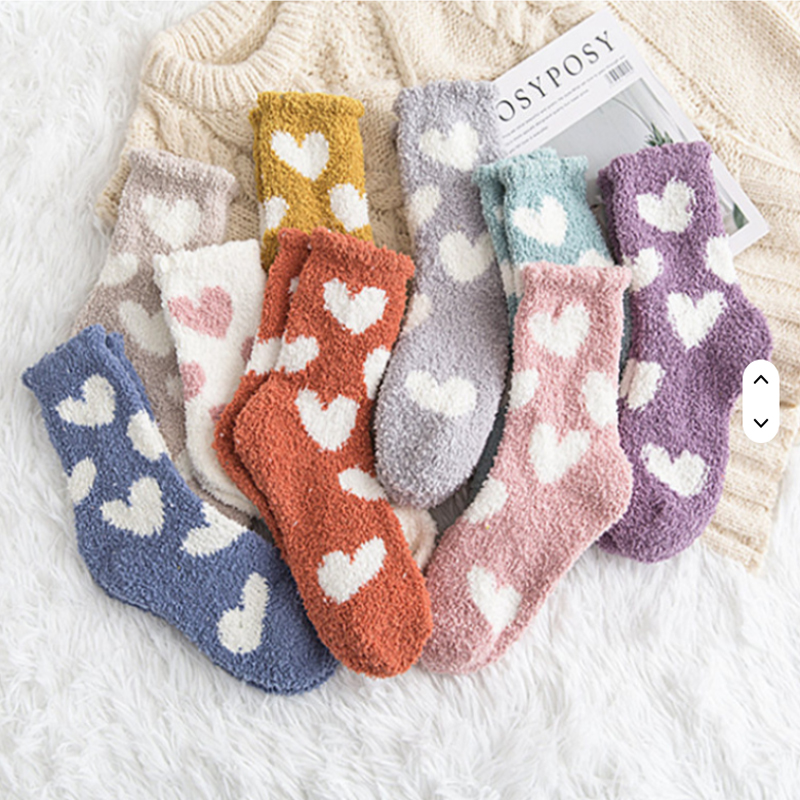
Not all detergents can keep socks soft. Some detergents have a rough texture and high enzyme content, which can damage the fibers of socks over time. Do not use bleach or strong chemical fabric softeners; It is best to choose mild detergents as they can soften socks and remove dirt.
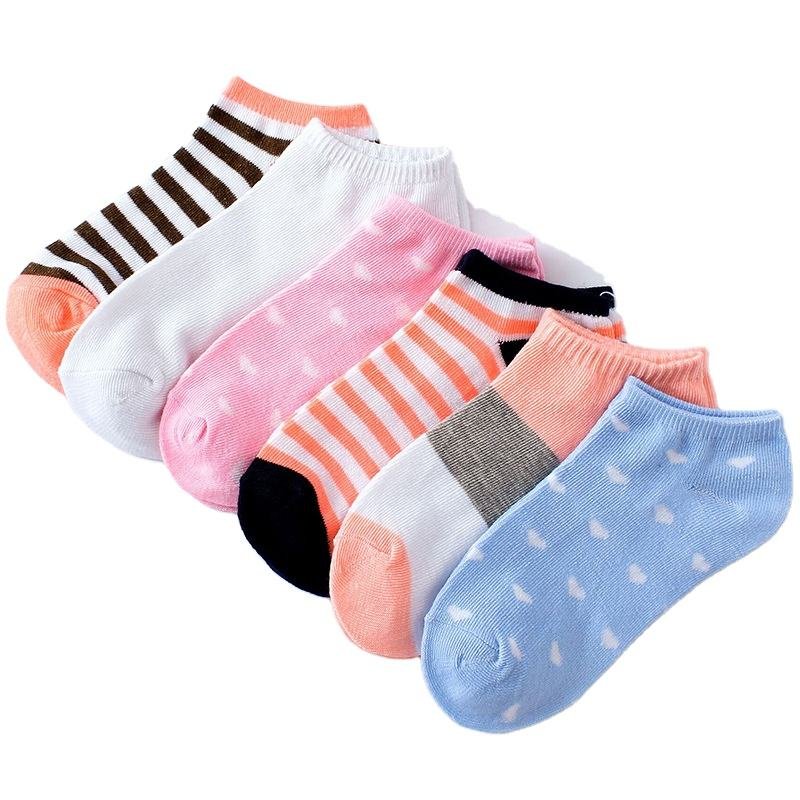
One of the biggest reasons socks lose softness is washing them at high temperatures. High temperatures shrink fibers, make them rough, and even damage elastic bands. Most sock materials, especially cozy coral velvet and polycotton styles, do best in cold or lukewarm water (around 30°C or below). Cold water washing preserves softness and prevents color fading, keeping your socks looking new longer. If you're worried about tough stains, pre-treat them with a small amount of mild detergent before washing instead of increasing the water temperature.
When it comes to selecting a washing cycle, it's best to stay away from heavy duty cycles as they tend to over agitate socks, cause fraying, and lead to a scratchy texture. Choosing the gentle or delicate cycles are the best options since they use slower spin cycles and less agitation to prevent socks from getting too damaged. If you are washing a small load of socks, do not overcrowd the machine. This will prevent water and soap from circulating evenly and cause socks to rub against each other, creating friction that will remove softness.
Mishandling the drying process can ruin the soft texture of your socks. Avoid high heat settings while tumble drying socks since heat destroys the elastic and inner fibers, making socks stiff and misshaped. The best method will always be to air dry socks. You can place them flat on a drying rack, hang them in a ventilated place, and don't stretch them while drying. If you must, use the dryer on the low heat or air only settings. You can also add a clean dry towel to the dryer with your socks. The towel will absorb excess moisture, help reduce drying time, and keep the fabric soft. Don’t hang heavy, wet socks by the top elastic to dry. This will overstretch the band and ruin the fit.
How you store your clean socks affects how soft they stay. Instead of roughly tossing your socks into a ball, fold them gently. Balling socks creates harsh creases that will stiffen the fibers, especially in thicker socks like winter coral velvet. Damp environments, like a sealed drawer without airflow, will also cause socks to stiffen. Moisture will get into the fabric, causing mildew, or make the fabric clammy.
Common stains like dirt and sweat can be treated with a little cold water and mild detergent. Dab the stain gently and remember not to rub since that will break down the fibers and fabric. Use a small amount of water to form a paste with baking soda for oil-based stains. Apply the paste to the stain and let it sit for 10 to 15 minutes before washing it again. Sock fabrics will not become rough because baking soda is safe to use on the fabric and it will help lift the stain. Always do a small test on an inconspicuous area to make sure the stain treatment will not ruin the fabric color and texture.
 Hot News
2025-08-28
2025-08-26
2025-08-25
Since 2010, YOUKI (15+ years in hats/accessories) is a go-to streetwear partner: all-in-one design, production, sales, prioritizing quality, service, teamwork & on-time delivery.