 EN
EN
Quick Links
The gloves must be waterproof for snowy days. But it must also be breathable. This is to ensure that the gloves can let sweat evaporate. Good waterproof snow gloves contain breathable membrane materials that block snow while allowing moisture to escape. Good waterproof snow gloves have sealed seams. This is to ensure that water does not seep through the tiny gaps in the stitching. The outer layer of the gloves also needs to be strong enough to withstand damage from snow, ice, and everyday activities like shoveling snow or skiing.
There are a few popular types of materials used for making snow gloves waterproof. Membrane technology works for snow gloves because of its water resistance along with its breathability. Some gloves use coated fabrics meaning a waterproof layer has been added to the outer material as a barrier to guard against moisture. use laminated fabrics which are more durable and effective because the waterproof laminate is bonded directly to the outer shell and inner lining. These materials are designed to withstand the snowy conditions to ensure your hands remain dry and comfortable for hours.
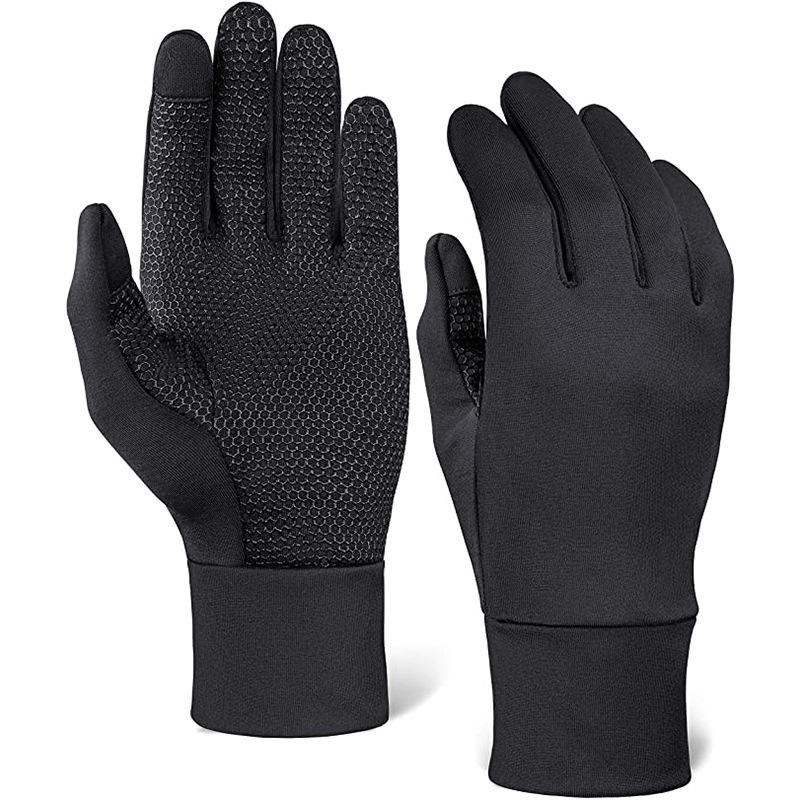
Aside from waterproofing being necessary, there are other features to consider when buying gloves for a snowy day. Since snowy conditions are cold, gloves must provide warmth, and gloves must have insulation that keeps heat in without being bulky. The warmth and insulation must be balanced to help in comfort. The fit of gloves is important in being effective. Gloves that are tight will impede movement and circulation, and lose gloves will let cold air in, make controlling objects difficult and impede the warming. Depending on the activities being performed, a good grip on the gloves will help in safety when exposed to slips on icy surfaces and provide control for sports like skiing and snowboarding.
Testing the waterproof ability of your gloves before your first winter trip is a good idea. You can lightly spray some water on the gloves and see if any water seeps through. For a more definitive test, put on the gloves and quickly dunk your hands in a bowl of cold water. After wearing the gloves, care for them to preserve their ability to repel water. Let them air dry at room temperature; don’t put the gloves next to a heater or in the sun, because heat will destroy the waterproofing materials. Don’t clean gloves with strong soaps, chemicals, or detergents; use a gentle soap made for outdoor products. You should also check the gloves regularly for signs of wear and tear on the seams and external fabric.
The ideal waterproof snow gloves all come down to the activities you’re participating in. Skiing and snowboarding require gloves that are waterproof, yet still flexible and provide enough grip to hold any gear. Other more casual snow activities, such as building a snowman or simply taking a walk in the snow, may prioritize comfort and warmth. Also consider the surroundings. In calmer and milder snowy conditions, gloves that are lighter in weight but still waterproof should do the trick. In extreme cold and snowy conditions, gloves that offer thicker insulation and heavier duty waterproofing will be necessary. Gloves that offer adjustable cuffs and snow compatibility for convenience are a plus.
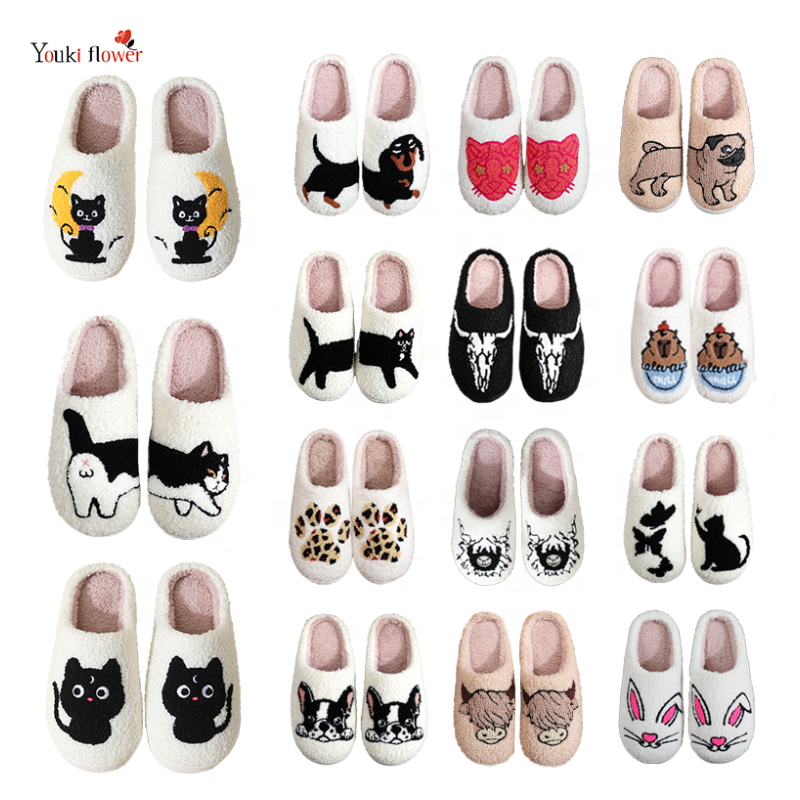
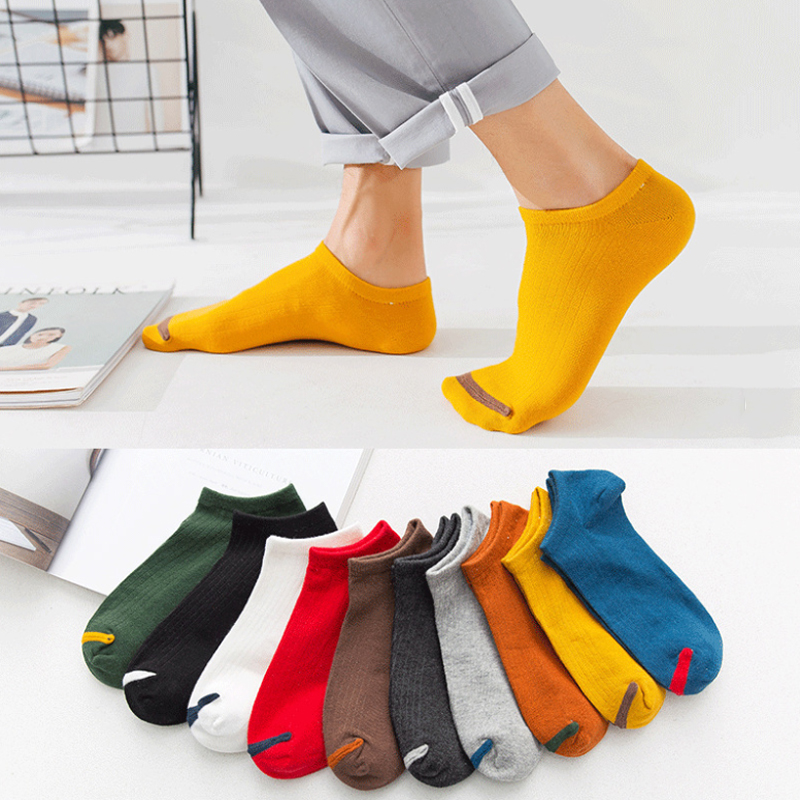
When choosing snow day gloves, look for the gloves with the most premium waterproof technology with warm linings, keep hands warm and dry in heavy snow and cutting wind. YOUKI has been making gloves for over 15 years as a specialist in streetwear accessories along with custom hats, anti-slip sports socks and fashionable slippers. Approved by BSCI and ISO, YOUKI has the fastest customization and delivery for stock items in 7 days and custom in 14 days. Professional Customization Instant quotation and 24/7 customer service with the global supply chain covering 65 countries, makes YOUKI the most trustworthy brand for stylish and durable waterproof gloves and all accessories streetwear.
 Hot News
2025-08-28
2025-08-26
2025-08-25
Since 2010, YOUKI (15+ years in hats/accessories) is a go-to streetwear partner: all-in-one design, production, sales, prioritizing quality, service, teamwork & on-time delivery.