 EN
EN
Quick Links
The first step for comfort is knowing your own size. Get a soft measuring tape and see how big your head is. Wrap the tape around the widest part of your head, just above your ears, going over your eyebrows to see if you have a bigger head or a smaller head. Next, see how big your ear cups are from the top to the bottom and from the front to the back. A one size fits all option usually does not work for ear muffs. If you have larger ears, look for ear muffs with wider and deeper cups. If you have a smaller head, adjustable bands that can easily shrink are better.
Padding and material construction of the ear cups dictate the comfort of ear muffs during extended periods of use. Ear cups that use memory foam padding prove superior because the foam shapes itself around the ears and distributes the pressure evenly for comfort. From the ears down to the neck, ears muffs should have padding around the ear cups and should have a 1 to 2 inch thick border at the bottom but without being bulky. Materials used at the ear cups outer part also have an effect. Ear cups that use soft fleshy materials will be more comfortable while harsh plastics will be irritating. Stay away from ear cups with harsh bottom edges especially those with thin padding that can easily be compressed. Spongy plasticy materials will be a source of dissatisfaction.
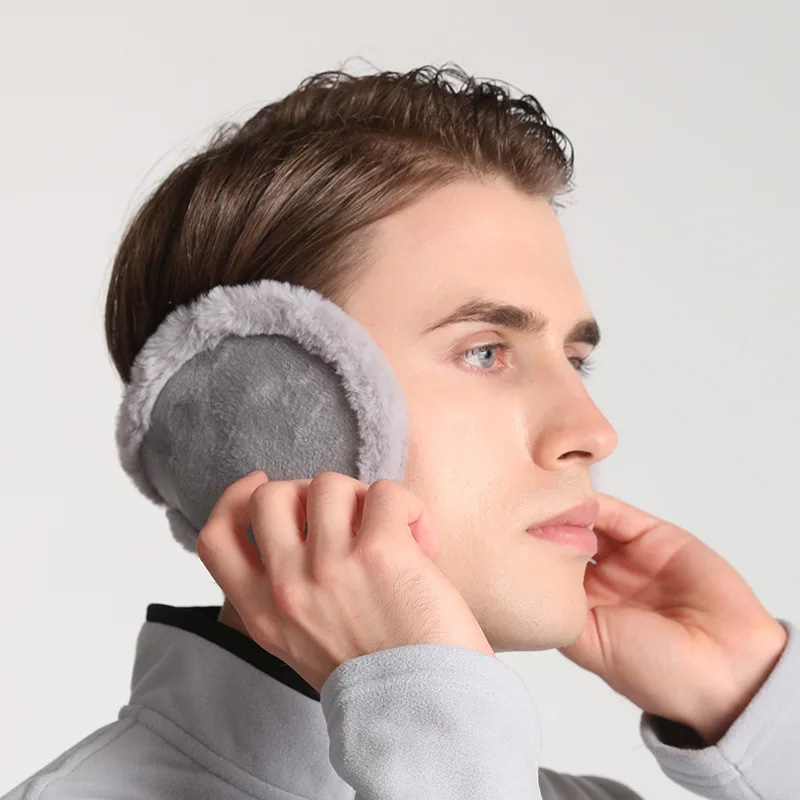
A well-designed headband should secure the ear muffs while providing comfort, and it should not squeeze your head. It is critical to have adjustable headbands, so look for ones that have sliding mechanisms or flexible materials that allow you to make adjustments. Some headbands come with extra top padding, which is a significant advantage if you are going to wear the ear muffs for many hours, as it stops the band from digging into the top of your head. Also, consider the headband’s flexibility. It must have enough give to accommodate your head shape, but not so much that the ear muffs are always slipping down. Avoid headbands that do not bend because if they are too stiff, they will be uncomfortable as they will be too tight or too loose.
Making sure the muffs fit around the wearer’s ear properly is key to making sure that the muffs lock in heat (in the case of winter muffs) and cancel out noise (in the case of hearing protection muffs). However, seals that cause pain should be avoided at all costs. Ear muffs should be properly tested while making sure that the cups seal all the air out of the muffs and keep the ear protection muffs quiet. Muffs that cause pain to the wearer’s temples and jaw should be swapped out for a better fitting brand. Covers that clamp down and prevent a seal around the wearers ear should be avoided.
What “comfortable” means to you personally will depend on your use case. Cold-weather ear muffs should offer a compromise between warmth and weight. Bulky ear muffs can get heavy on a long walk. Ear muffs worn for outdoor work in cold weather should have water resistant materials and thick padding to block wind and stay comfortable for long hours. Ear muffs designed for noise cancellation (like at a concert or construction site) should have a snug yet breathable padding seal. If a seal is too tight and not breathable, you will sweat under the ear cups. For casual use, lightweight and compact designs work best. They should fit in a bag easily and should not weigh your head down on a brief ride.
Choosing ear muffs that fit comfortably can be narrowed down to three main points; Using soft skin-friendly materials, to have an ergonomic design that contours to the ear, and to have adjustable structures to accommodate different head sizes. YOUKI, with its 15+ years of manufacturing experience, is a leading streetwear accessory manufacturer and understands how to design and make quality comfortable ear muffs. They also offer a range of BSCI and ISO compliant services including, fast (7 days for stock, 14 for custom) design-dedicated 24/7 customer service, free custom design and one-stop service for 65+ countries. YOUKI also offers comfort, durability and street fashion style on the ear muffs. They also have a mature supply chain and better OEM/ODM services than many others, therefore they also have the greatest ear muffs.
 Hot News
2025-08-28
2025-08-26
2025-08-25
Since 2010, YOUKI (15+ years in hats/accessories) is a go-to streetwear partner: all-in-one design, production, sales, prioritizing quality, service, teamwork & on-time delivery.